
Interview conducted by Michael Majchrzak,
Editor-in-Chief, Plant Engineering Polska (I&UR)
Introduction
aomation is a Hamburg-based digital transformation consulting and engineering firm delivering automation, enterprise IT and enterprise asset management solutions for large, asset-intensive organisations. Its reference portfolio includes enterprise asset management and optimisation projects for BASF, identity and access management implementation for WealthCap, a 100% subsidiary of UniCredit, and global rollouts and cloud migrations of Hexagon’s HxGN EAM across multi-site manufacturing environments. These engagements reflect the firm’s ability to execute complex digital transformation initiatives across manufacturing, energy and financial services sectors.
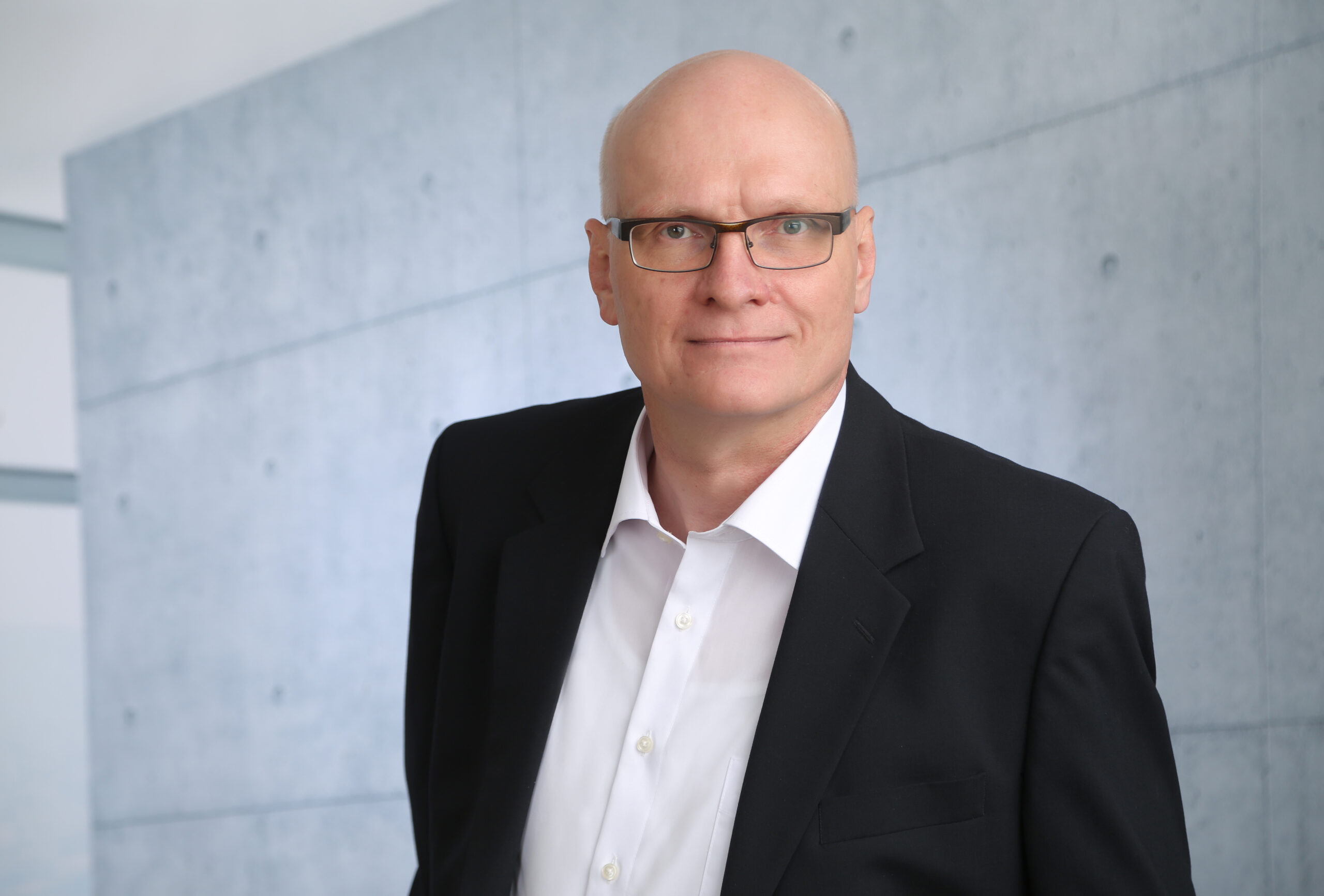
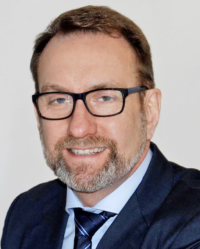
I spoke with Dr. Ansgar Niehof, Managing Director of aomation, about the company’s philosophy, its expansion into Poland, and the realities of digital transformation in industrial environments.
Interview
Michael Majchrzak: Nice to meet you. You are the Managing Director of aomation, a company that employs around 35 professionals around the world and has worked with some very impressive organisations. Currently you have with aomation Sp.z.o.o. a subsidiary in Poland. Can you tell me a bit about your company and what exactly you do?
Dr. Ansgar Niehof: Thank you, Michael. aomation is a specialised digital transformation consultancy focused on practical, engineering-driven solutions in enterprise asset management, IT automation and digital operations. We support organisations in designing digital architectures, implementing EAM platforms, optimising maintenance strategies, and modernising IT processes.
Our work spans multiple industries. For example, we have delivered enterprise asset management optimisation services for BASF, supporting structured maintenance and asset lifecycle improvements in complex industrial environments. In the banking sector, we have implemented identity and access management solutions for WealthCap, helping to automate processes and ensure regulatory compliance. We have also led global rollouts and cloud migrations of Hexagon’s HxGN EAM across multiple manufacturing sites, aligning system architecture with operational realities.
What differentiates us is that we combine strategic thinking with hands-on implementation. We do not simply recommend technology; we ensure it works within the operational context of our clients.
Michael Majchrzak: Poland’s economy has been one of the most dynamic in Europe, with strong GDP growth and solid manufacturing output performance through 2025 of 4%. Do you see Poland as a strategic market for aomation?
Dr. Ansgar Niehof: Absolutely. Poland has become one of the most important industrial and technology markets in Central and Eastern Europe. We already have five professionals based in Poland working on EAM projects. Historically, the region was viewed primarily as a source of cost-efficient development talent for Western Europe. That dynamic has changed significantly. Today, Polish IT and engineering professionals operate at the same level as their Western European counterparts in both expertise and pricing. For us, this means building local capability to serve Polish clients directly, rather than using the region as an outsourcing base. As Poland’s manufacturing and infrastructure sectors continue to expand, the demand for structured EAM and predictive maintenance solutions is increasing accordingly.
Michael Majchrzak: I noticed that your website does not prominently reference artificial intelligence. Why is that? Do you see AI as premature in industrial applications?
Dr. Ansgar Niehof: AI is an important topic, but we approach it pragmatically. Artificial intelligence is only as good as the quality and structure of the underlying data. In many industrial environments, the data architecture is still fragmented or inconsistent. Without clean, structured and governed data, AI initiatives struggle to generate measurable return on investment.
Industry studies consistently show that many manufacturing AI programmes have yet to produce sustained, quantifiable ROI because foundational digital maturity is not in place. Our priority is to build strong data governance, structured asset hierarchies and reliable operational processes first. Once those fundamentals exist, advanced analytics and AI can be introduced with far greater success. That said, we are currently working on AI applications for our current offerings and plan on being prepared when the demand is there.
Michael Majchrzak: Since your systems are heavily data-driven, how is that data typically stored? Do you favour local servers or cloud-based solutions?
Dr. Ansgar Niehof: The era of local, on-premise infrastructure as the default model is largely over for enterprise-scale operations. Most organisations now rely on cloud infrastructure due to its scalability, security standards and operational resilience.
We primarily deploy and manage systems using Amazon Web Services. AWS provides a mature cybersecurity framework, global availability and performance standards that meet the needs of industrial and energy clients. In fact, organisations such as BASF and Vattenfall operate in environments where security and compliance requirements are extremely high, and cloud providers today are often better positioned to meet those requirements than internally managed infrastructure.
Michael Majchrzak: What best defines your company’s philosophy?
Dr. Ansgar Niehof: Partnership and precision. We do not implement generic systems. We work closely with each client to understand their operational constraints, regulatory environment and strategic goals. Our cross-sector experience — spanning chemical production, energy infrastructure, finance and multi-site manufacturing — enables us to transfer best practices while tailoring solutions to each specific context.
Trust is built through shared experience and measurable results. When we deliver EAM optimisation for a chemical enterprise such as BASF, or EAM configuration that can withstand an FDA audit for a pharma leader like Bayer, the objective is not technology deployment alone — it is sustainable operational improvement.
Michael Majchrzak: What can customers expect to gain from working with aomation?
Dr. Ansgar Niehof: Customers can expect a more secure, more structured and leaner organisation in terms of enterprise asset management and predictive maintenance. Our solutions help reduce unplanned downtime, improve maintenance planning accuracy, and increase asset reliability. The result is improved operational resilience and better alignment between technical operations and business objectives.
Ultimately, we help organisations turn digital infrastructure into a strategic asset rather than an operational burden.
Michael Majchrzak: Thank you for your time.
Dr. Ansgar Niehof: Thank you, Michael. It was a pleasure.